
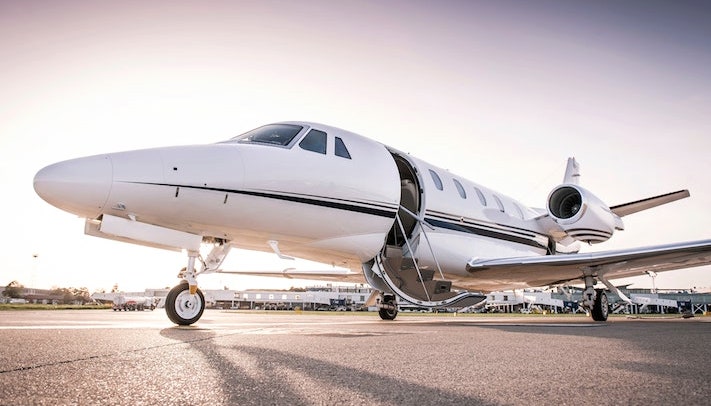
Choosing the right path for a career in aviation is one of the most critical decisions you will make as a professional. The industry is highly regulated, and the quality of your training directly dictates your employability and safety standards throughout your entire career. In Nigeria, the Nigerian Civil Aviation Authority serves as the primary regulatory body responsible for overseeing the safety and standard of all aviation activities. Aspiring pilots, flight dispatchers, and aircraft maintenance engineers must ensure they receive training from institutions that hold current approvals from this authority.
Choosing an unapproved or poorly vetted institution is a risk that can lead to invalid licenses and a complete waste of time and financial resources. This guide provides an authoritative overview of approved aviation schools in Nigeria, how to verify their status, and what you should expect regarding costs and locations.
How to Verify NCAA Approved Aviation Schools for Flight Training
Before you commit your time and financial resources to any aviation program, you must confirm the official status of the school. The Nigerian Civil Aviation Authority, commonly known as the NCAA, maintains a registry of Approved Training Organizations, also known as ATOs. An ATO is an institution that has undergone a rigorous auditing process to prove it meets international safety and training standards.
To verify a school, visit the official NCAA list of Approved Training Organizations on the official regulatory portal. Do not rely solely on third-party websites or informal advice from social media. Look for an approval number, typically formatted as NCAA/ATO/AA followed by a specific designation. If a school cannot provide this certification, or if they are not listed on the official government portal, you should treat their claims with extreme caution. The aviation industry is built on strict compliance, and your professional training record begins with the official approval status of your school.
Top 5 Prominent NCAA Approved Aviation Schools in Nigeria
Several institutions have established themselves as key players in the Nigerian aviation training landscape. These schools cater to different segments of the industry, ranging from intensive pilot training to specialized ground operations.
1. Nigerian College of Aviation Technology, Zaria
The Nigerian College of Aviation Technology, often referred to as NCAT, remains the premier institution for aviation training in Nigeria. Located at the Zaria Aerodrome in Kaduna State, it has served as the backbone of the industry since 1964. NCAT is government owned and adheres strictly to international standards set by the International Civil Aviation Organization.
The college offers a comprehensive range of courses, including pilot training for Private Pilot Licenses, Commercial Pilot Licenses, and Airline Transport Pilot Licenses. Beyond flight training, they are a hub for Aircraft Maintenance Engineering, Air Traffic Control, Cabin Crew training, and Flight Dispatch. Because of its history and government oversight, it is widely considered the gold standard for anyone seeking a career in the cockpit or technical engineering. Tuition for pilot programs is significant and varies based on the license level, but the reputation of an NCAT graduate is unmatched in the local market.
2. Aeroport College of Aviation and Travel Management
For those based in the southwest, the Aeroport College of Aviation and Travel Management is a notable option. Located in Lagos, this institution focuses on both the managerial and professional aspects of the travel and tourism industry. It holds the NCAA approval number NCAA/ATO/AA/031.
This school is particularly popular for students interested in non-flying roles such as cabin crew operations, aviation management, and travel agency practices. The cost structure here is generally more accessible compared to full flight training, making it an excellent entry point for those looking to start a career in airline operations without the massive initial investment required for pilot training.
3. Universal School of Aviation
The Universal School of Aviation, which operates with the NCAA approval number ATO/AA/011, is another competitive player in the Lagos and Abuja market. They offer a variety of programs, including Air Transport Regulations and operator-related training. The school has built a reputation for competitive pricing and often runs promotional packages for students. It is a preferred choice for individuals seeking flexible learning options for aviation ground courses.
4. Landover Aviation Business School
Landover Aviation Business School, located in Ikeja, Lagos, provides high-level training for professionals in the aviation sector. It is particularly well regarded for its Cabin Crew training programs, which include both initial and refresher courses. They also provide comprehensive training for Flight Dispatchers. Given its strategic location in the commercial capital, it maintains strong links with the industry, often proving beneficial for students during the job placement phase. Costs for advanced technical or pilot-related ground programs at Landover reflect the quality of its professional training environment.
5. International Aviation College, Ilorin
The International Aviation College in Ilorin, Kwara State, has emerged as a key center for pilot training. It is strategically positioned to serve students from both the northern and southern parts of the country. The college offers standard pilot training programs including ground school for PPL and CPL, as well as flight dispatch courses. It provides a more balanced environment for students who may find Zaria too distant and Lagos too congested. Its focus on specialized pilot development makes it a top contender for those aiming for the cockpit.
Geographic Hubs for Aviation Operations in Nigeria
The location of your training often determines the quality of your networking and your proximity to airlines. Lagos remains the undisputed hub for aviation operations in Nigeria. Schools located here benefit from being close to the Murtala Muhammed International Airport, which allows students to observe real-world airline operations and networking opportunities.
However, if you are looking for dedicated, residential pilot or maintenance engineering training, the northern hubs like Zaria and Kaduna are superior. The presence of large airfields and technical institutes like the Air Force Institute of Technology creates an immersive environment that is difficult to replicate in the middle of a busy city like Lagos.
Cost Analysis: Aviation Training Fees and Financial Realities
Aviation training is rarely cheap, but the costs vary wildly depending on your chosen career path. Pilot training is at the top of the financial hierarchy. Becoming a fully licensed pilot involves paying for ground school, simulator time, fuel, and flight hours. Total costs can range from 7 million to over 35 million Naira, depending on the complexity of the license and the school. If you are researching your options, it is helpful to look at reviews of the best pilot schools in Nigeria to compare fee structures and facilities.
In contrast, non-flying roles are much more affordable. Training for a Cabin Crew role or a Flight Dispatcher certification usually falls within the range of 150,000 to 2 million Naira. These programs are shorter and provide a faster route into the industry. Aircraft Maintenance and Air Traffic Control training represent a middle ground, requiring a higher technical aptitude and a mid-to-high level of investment.
Expert Advice for Success in the Nigerian Aviation Industry
Regardless of the school you choose, always verify the current success rates and graduate placement of the institution. Airlines prioritize candidates who have trained in schools with a history of producing disciplined professionals. Furthermore, remember that the figures quoted by schools often exclude ancillary costs such as accommodation, medical examinations, and examination fees mandated by the NCAA.
Your journey into aviation is a long-term commitment. Do not rush the selection process. Visit the school campuses if possible, speak to current students, and verify the NCAA approval status directly on the official government website. A solid foundation built on approved, high-quality training is the most effective way to ensure a long and safe career in the skies. Always ensure that your certificates meet the international requirements set by the ICAO and validated by local authorities. The rigorous process of selecting an aviation school is the first step toward a successful career, and taking the time to verify every detail ensures that your investment provides the highest possible return for your professional future.
Leave a Reply